


Relationship DNA Testing
Get clear, confidential answers about biological relationships with professional DNA testing services you can trust.

Find the Answers You Need
Relationship DNA testing uses advanced genetic analysis to help determine whether a biological relationship exists between two or more individuals. Testing is available for both personal knowledge and legal purposes and collection and documentation requirements differ depending on how you intend to use your results.
Summit Diagnostic Group provides accurate, confidential, and professionally collected DNA testing services to help individuals and families receive the answers they need with confidence.
Which DNA Test is Right for You?

Legal
Legal DNA testing is appropriate when results may be submitted to a court, government agency, attorney, or other authorized organization. The collection follows a documented chain-of-custody process designed to verify the identity of each participant and maintain the integrity of the specimens throughout testing. Depending on the testing requirements, participants may be asked to provide valid identification, photographs, signatures, and other documentation at the time of collection.

Non-Legal
Personal (non-legal) DNA testing is designed for individuals and families who want answers about a biological relationship for their own knowledge and reassurance. Because a formal chain-of-custody process is not required, peace-of-mind results are generally not intended for court or other official legal proceedings.
Relationship DNA Testing Options
Every family situation is unique. Explore our relationship DNA testing options below to determine which test may be appropriate for the biological relationship you are seeking to establish.

Paternity DNA Testing
Paternity DNA testing compares the genetic profiles of a child and an alleged father to determine whether a biological father-child relationship is supported. Depending on the reason for testing, clients may choose testing for personal knowledge or a legally documented collection when results may be needed for official purposes.

Maternity DNA Testing
Maternity DNA testing compares the genetic profiles of a child and an alleged mother to determine whether a biological mother-child relationship is supported. Although maternity is often established at birth, DNA testing may be useful when biological maternity needs to be independently confirmed.

Sibling DNA Testing
Sibling DNA testing evaluates the amount of shared DNA between two individuals to determine whether their genetic relationship is consistent with being siblings. Depending on the circumstances, testing may evaluate whether individuals are likely to be full siblings, who share both biological parents, or half siblings, who share one biological parent.
*Because sibling testing is an indirect relationship test, the laboratory evaluates genetic evidence across the available participants rather than directly comparing a child with an alleged parent.

Grandparentage DNA Testing
Grandparentage DNA testing evaluates whether a child is biologically related to an alleged grandparent or grandparents. This type of testing can be especially useful when the child's alleged parent is unavailable for direct paternity or maternity testing. The child and one or both alleged grandparents may participate. When possible, testing both biological grandparents from the same side of the family can provide the laboratory with more genetic information to evaluate.

Avuncular DNA Testing
Avuncular DNA testing evaluates the genetic relationship between an alleged aunt or uncle and a niece or nephew. It is another form of indirect relationship testing that may be considered when the alleged biological parent is unavailable to participate. Depending on the family structure and individuals available, the laboratory may recommend including additional relatives to strengthen the genetic analysis.
Simple Sample Collection
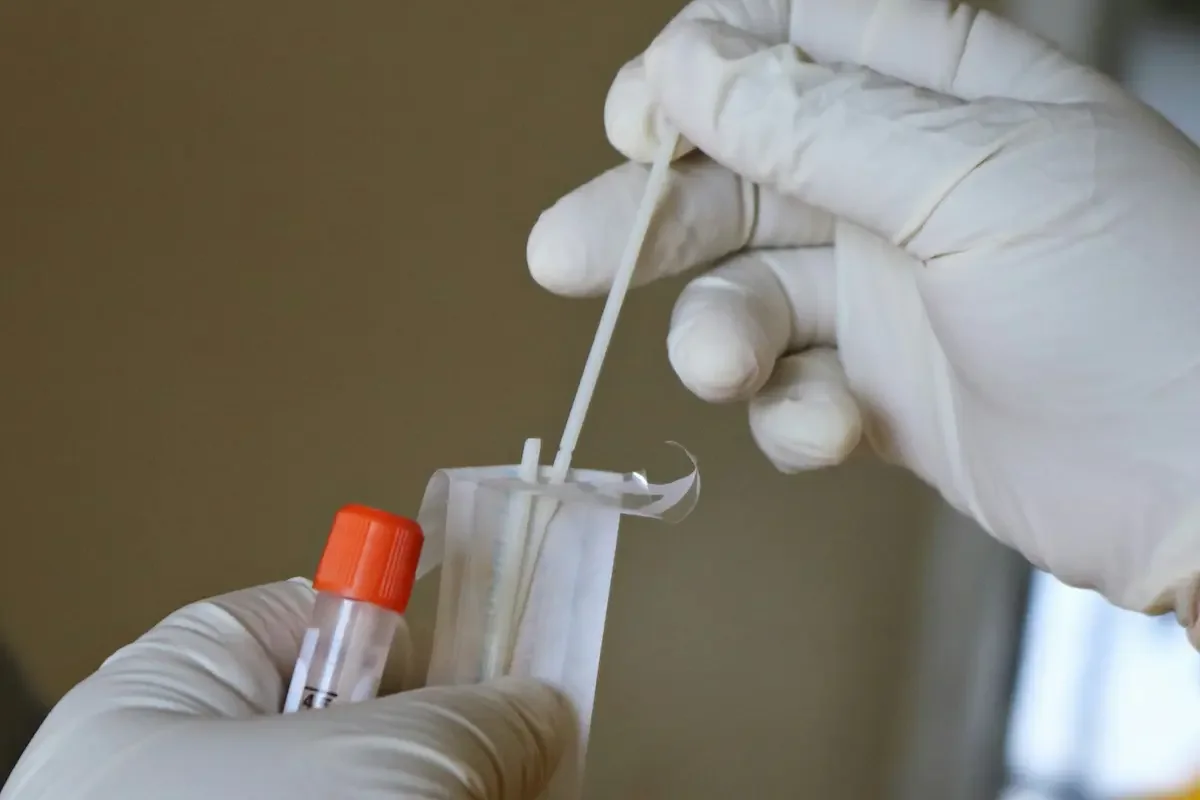
Most relationship DNA tests require only a quick and non-invasive cheek swab. A trained collection professional gently swabs the inside of each participant’s cheek to collect cells for DNA analysis. The process is simple, comfortable, and typically takes only a few minutes.
Results are emailed directly to you within 3-5 business days from the date of sample collection.
Legal Tests are required for the following Situations:
⨠ Birth Certificate Changes
⨠ Child Support
⨠ Will & Estate Changes
⨠ Inheritance Rights
⨠ Child Custody Cases
⨠ Survivor’s Benefits
⨠ Social Security Benefits
⨠ Military Benefits
What Should I Bring to My Appointment?
Please bring a valid government-issued photo ID for each participating adult. For minors, a parent or legal guardian may be asked to provide identification and appropriate documentation. Additional identification, photographs, or paperwork may be required for legal, immigration, or other chain-of-custody testing.
To help ensure a quality sample, participants may also be asked to avoid eating, drinking, smoking, chewing gum, or using oral products for a short period before collection. Specific preparation instructions will be provided when your appointment is scheduled.


Ready to Get Started?