


Postmortem DNA Testing
Answers That Can Help Preserve Family Connections
When a biological relationship needs to be established after someone has passed away, postmortem DNA testing may provide important genetic information and help families find answers.
Understanding Postmortem DNA Testing
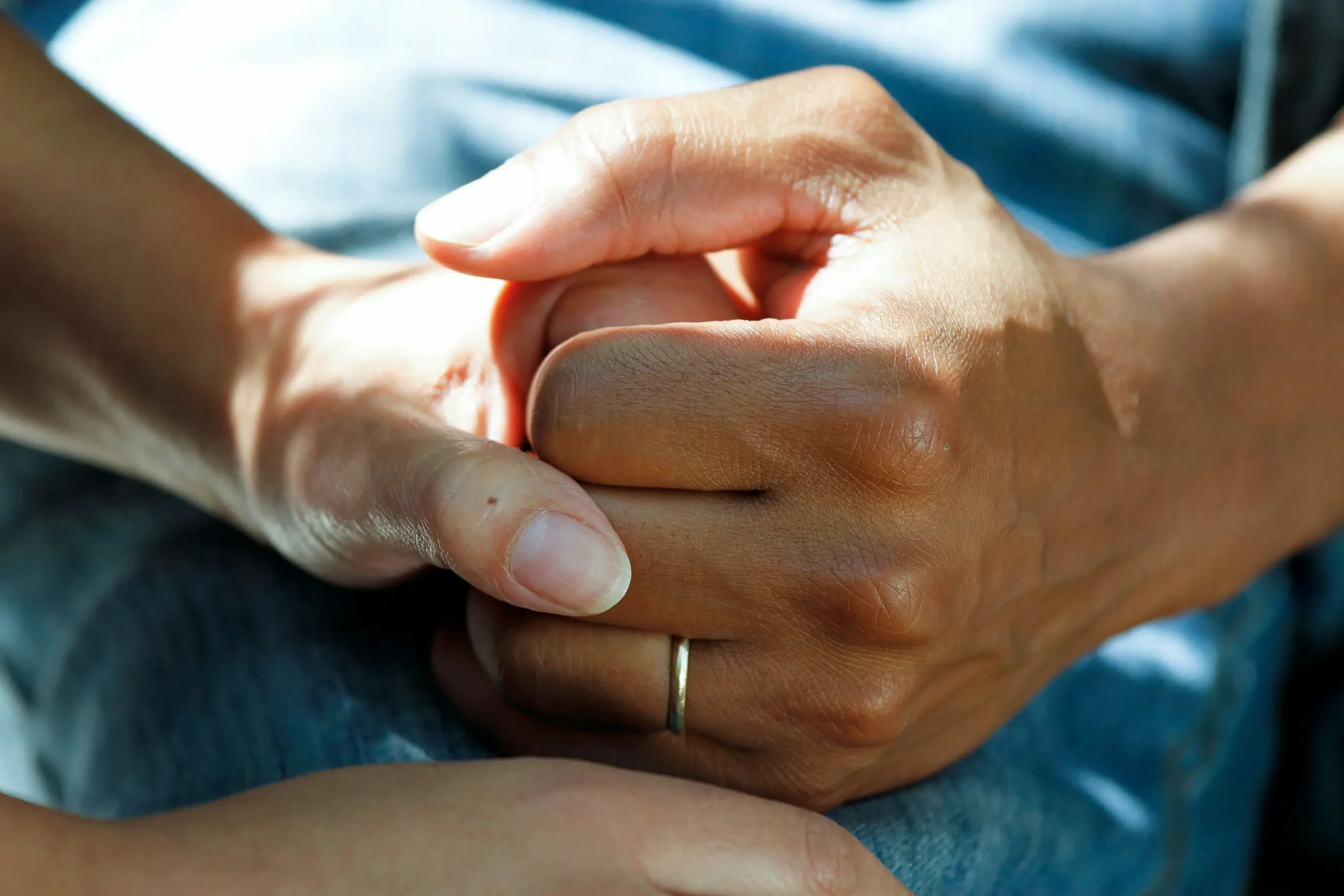
Postmortem DNA testing uses genetic material associated with a deceased individual to help evaluate a biological relationship with one or more living family members.
Depending on the circumstances, testing may involve an existing biological specimen collected before or after death, or the laboratory may evaluate whether an available personal item has the potential to provide usable DNA.
Because every situation is different, sample availability, condition, relationship type, and intended use of the results should be reviewed before testing begins.
Our role is to help guide you through the collection and coordination process and ensure that specimens are handled according to the requirements of the testing laboratory.
When May Postmortem DNA Testing Be Helpful?
Families seek postmortem DNA testing for many different reasons. Testing may be considered when a biological relationship needs to be investigated or documented but the individual in question is no longer available for a standard cheek-swab collection.
Postmortem testing may be considered in connection with:
Paternity or maternity questions
Sibling or extended-family relationship testing
Estate or inheritance matters
Family identity or genealogy questions
Personal confirmation of a biological relationship
Certain legal or documentation matters
Situations in which direct testing was not completed before death
The most appropriate testing approach depends on the biological relationship being evaluated and which individuals or specimens are available.
What Types of Samples May Be Used?
The best source of DNA will depend on what specimens are available and whether the testing laboratory determines that they are suitable for analysis.
Existing Biological Specimens
In some cases, a biological specimen from the deceased may already exist through a hospital, medical examiner, pathology department, funeral home, or another authorized source.
Depending on availability and laboratory requirements, certain stored biological specimens may potentially be evaluated for DNA testing.
Release of these specimens generally requires appropriate authorization and coordination with the organization holding the sample.
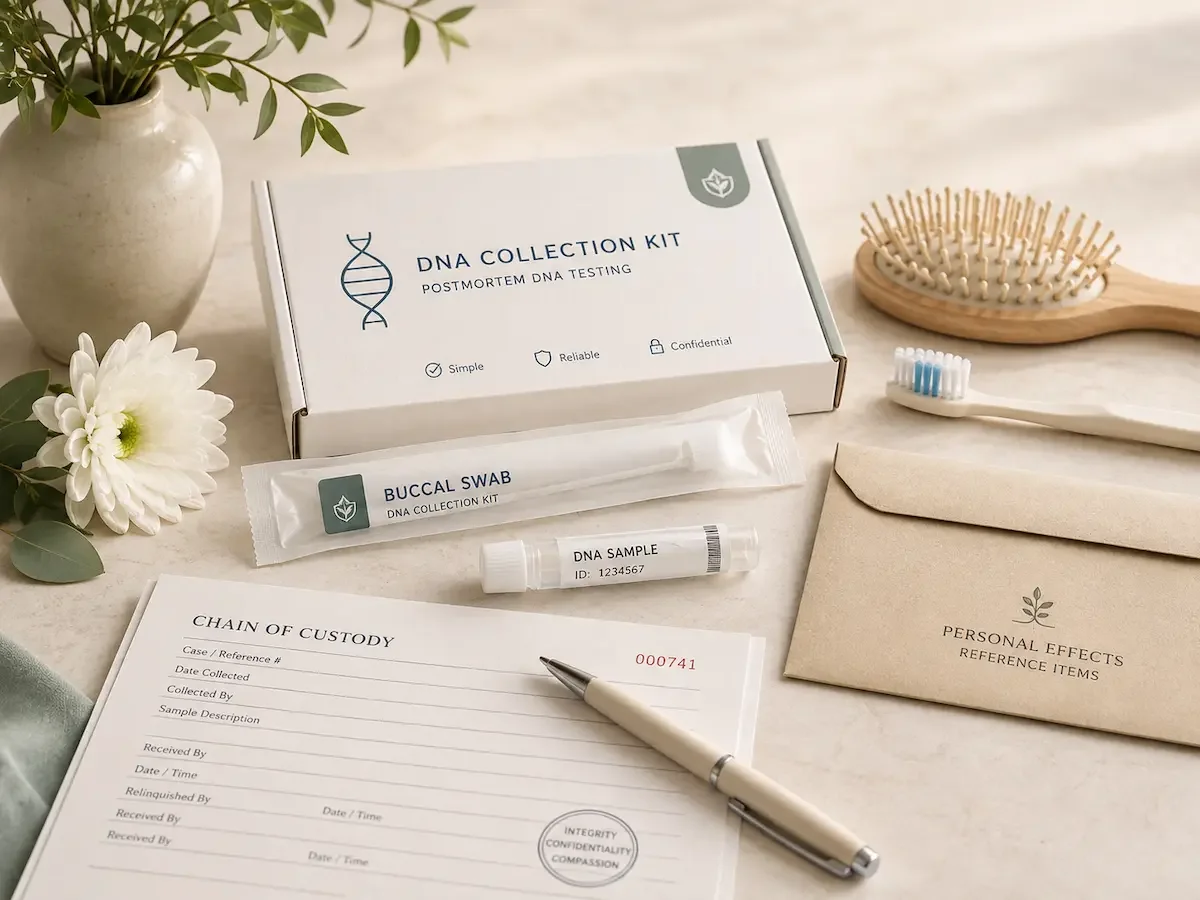
Personal Items
When a direct biological specimen is unavailable, the laboratory may be able to evaluate certain personal items that could contain biological material from the deceased.
Examples may include items such as a:
Toothbrush • Hairbrush • Razor • Other personal item with possible biological material
Not every item contains enough usable DNA for successful testing. The condition of the item, how it was stored, whether other people may have used or touched it, and the amount of biological material present can all affect whether a DNA profile can be obtained.
*Please contact us before submitting or handling a potential DNA source so that the appropriate laboratory can review the item first.
How Postmortem DNA Testing Works
1. Tell Us About Your Situation
Begin by contacting Summit Diagnostic Group. We will ask about the biological relationship you are trying to establish, the individuals available for testing, any samples or personal items that may exist, and whether the results are needed for personal or legal purposes.
2. Determine the Appropriate Sample
The testing laboratory reviews the available options and determines which specimen or testing strategy is most appropriate for the case.
If testing involves a specimen held by a hospital, medical examiner, funeral home, pathology department, or another organization, additional coordination and authorization may be required.
3. Collect Samples from Living Participants
When relationship testing involves living family members, DNA is typically collected through a quick, non-invasive cheek swab. For legally documented testing, identity verification and chain-of-custody procedures may also be required.
4. Securely Submit the Specimens
Samples are packaged, documented, and submitted according to the laboratory's requirements. When chain of custody is required, each step in the collection and transfer process is carefully documented.
5. Laboratory Analysis
The laboratory attempts to obtain a DNA profile from the available specimen and compares relevant genetic information with the DNA of participating relatives. Because postmortem testing can involve non-standard or limited specimens, successful DNA recovery cannot always be guaranteed.
6. Receive Your Results
When analysis is completed, results are issued according to the laboratory's reporting procedures.
Turnaround time varies depending on the specimen type, complexity of the relationship test, condition of the sample, and laboratory processing requirements.
Why Chain of Custody Matters
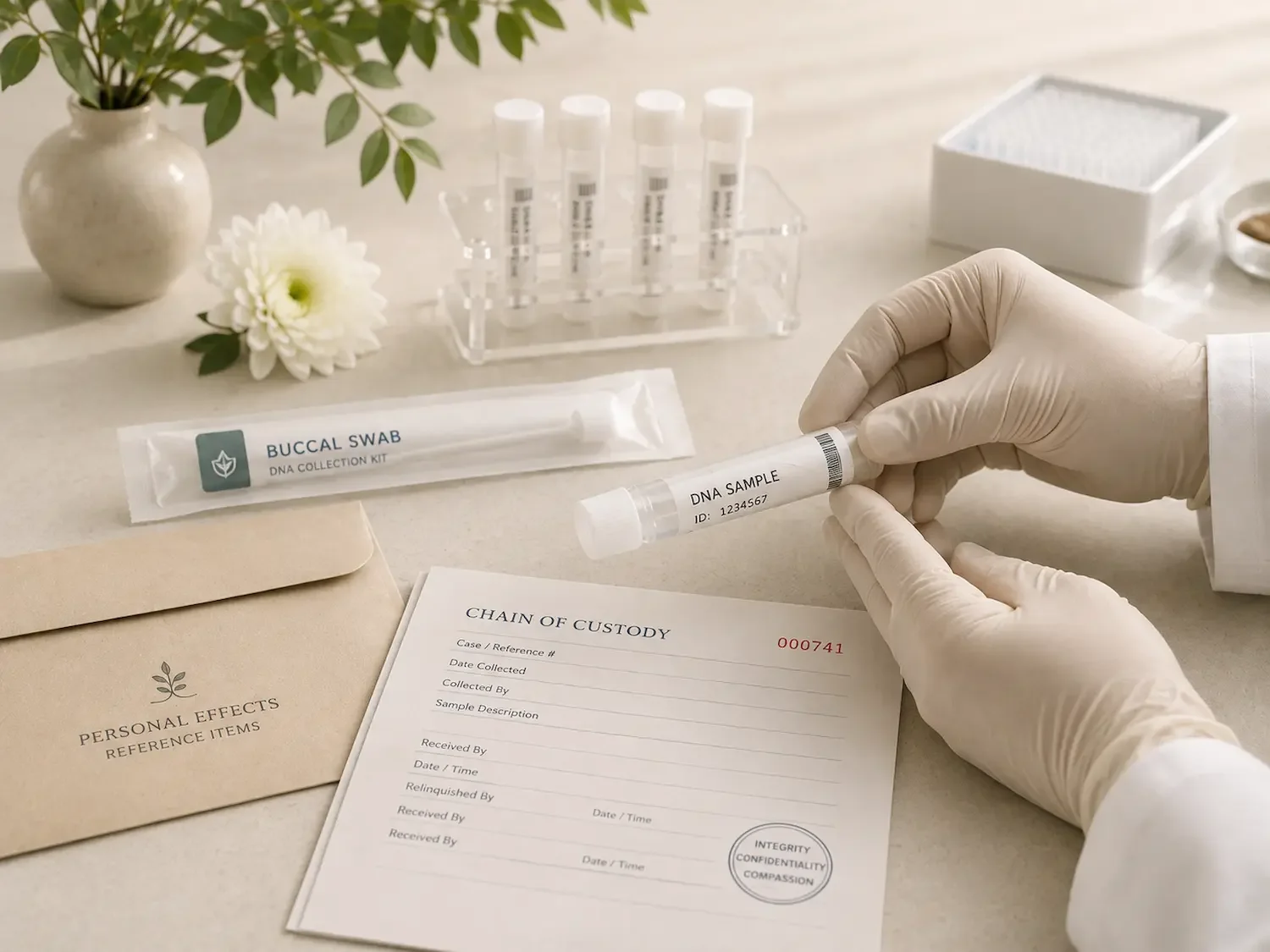
When DNA results may be used for an official purpose, maintaining a documented chain of custody helps protect the integrity of the specimens and establishes how each sample was identified, collected, handled, transferred, and received by the laboratory.
This process helps reduce the possibility of specimen substitution, contamination, tampering, or uncertainty about the source of the sample.
For postmortem cases, careful documentation can be particularly important because the specimen may pass through several authorized individuals or organizations before reaching the testing laboratory.
Summit Diagnostic Group follows the collection and documentation requirements provided by the laboratory for each case.
Frequently Asked Questions
-
Potentially, yes. Testing may be possible when a suitable biological specimen or other laboratory-approved DNA source from the deceased is available. The laboratory must evaluate the available sample and determine whether sufficient DNA can be recovered.
-
The laboratory may be able to evaluate certain personal items that could contain biological material. Because DNA recovery from personal belongings is not guaranteed, the item should be reviewed before testing begins.
-
No. Avoid unnecessary handling, cleaning, washing, or altering a potential DNA source. Contact us first for instructions on how the item should be stored, packaged, and submitted.
-
Sometimes. If a direct sample from the deceased is unavailable, another type of relationship test using living biological relatives may be possible.
Depending on the family structure, options may include sibling, grandparentage, avuncular, or other appropriate relationship testing.
-
That depends on the relationship being investigated. The laboratory may recommend testing one or more close biological relatives to obtain the most informative comparison possible.
-
Potentially, but testing intended for legal use requires appropriate collection, authorization, identification, documentation, and chain-of-custody procedures.
Legal requirements may also vary depending on the purpose of the testing. Clients should consult the appropriate attorney, court, or requesting organization regarding their specific documentation requirements.
-
No. Successful DNA recovery depends on the type and condition of the item, how it was used and stored, the amount of biological material present, possible contamination, and other laboratory factors.
-
Processing times vary based on the sample type and complexity of the case. Non-standard specimens may require additional laboratory work before relationship testing can be completed.
Current turnaround estimates can be discussed once the available specimen has been reviewed.

Every Family Story Matters
We understand that postmortem DNA testing often involves circumstances that are deeply personal. When questions remain after the loss of a loved one, genetic testing may provide information that helps families better understand biological relationships and preserve important connections across generations.
We are committed to approaching every postmortem DNA testing case with professionalism, discretion, compassion, and respect.
Contact us today to schedule a brief consultation to determine what samples exist, whether authorization may be needed, what relationship is being evaluated, and what items our partner laboratory will accept before sample collection.